Strategies for Legacy Software Migration
Guidance for transitioning from legacy software.
The migration from legacy software to modern systems presents a significant challenge for organizations striving to enhance efficiency and security. Legacy systems often contain outdated technology that may no longer meet current business needs or security standards, leading to increased risks and operational inefficiencies. As organizations recognize the need for modernization, they must devise effective strategies that not only facilitate a smooth transition but also minimize potential disruptions and risks associated with the migration process. This article outlines practical strategies that can guide organizations through the complexities of legacy software migration.
Transitioning away from outdated systems is not merely a technical challenge; it is a strategic imperative.
Understanding Legacy Software Challenges
Legacy software systems are typically characterized by their outdated architecture, lack of vendor support, and inability to integrate with newer technologies. These systems often become costly to maintain and pose serious security vulnerabilities, as they may not receive timely updates or patches. Organizations frequently find themselves trapped in a cycle of increasing maintenance costs, while simultaneously grappling with the limitations that legacy systems impose on their operational capabilities.
“Legacy systems can hinder agility, making it difficult for organizations to adapt to changing market conditions.”
In many cases, the decision to migrate from legacy software is driven by the need to improve operational efficiency and align with modern business practices. Research indicates that organizations utilizing current technologies are better positioned to respond swiftly to market demands and customer expectations. However, the migration process is fraught with challenges, including data integrity concerns, user resistance, and the risk of business disruptions during the transition.

Developing a Comprehensive Migration Plan
A successful migration begins with a well-structured plan that outlines the objectives, scope, and necessary resources for the transition. Organizations should conduct a thorough assessment of their existing systems, identifying the specific functionalities that are crucial to their operations. This evaluation will inform decisions regarding which components to retain, replace, or enhance during the migration process.
Furthermore, it is essential to engage stakeholders from various departments early in the planning phase. Involving key users in discussions about their needs and expectations can help ensure that the new system will adequately support business operations. This collaborative approach fosters a sense of ownership and reduces resistance to change, increasing the likelihood of a successful migration.
It is also advisable to establish a realistic timeline that includes milestones for each phase of the migration process. By breaking the project into manageable segments, organizations can effectively monitor progress and address any issues that may arise. Additionally, contingency plans should be put in place to mitigate risks associated with unexpected challenges during the transition.
Data Migration and Integration
One of the most critical aspects of legacy software migration is managing data. Organizations must ensure that all relevant data is accurately transferred to the new system without loss or corruption. This process often involves data cleansing, transformation, and validation to maintain data integrity.
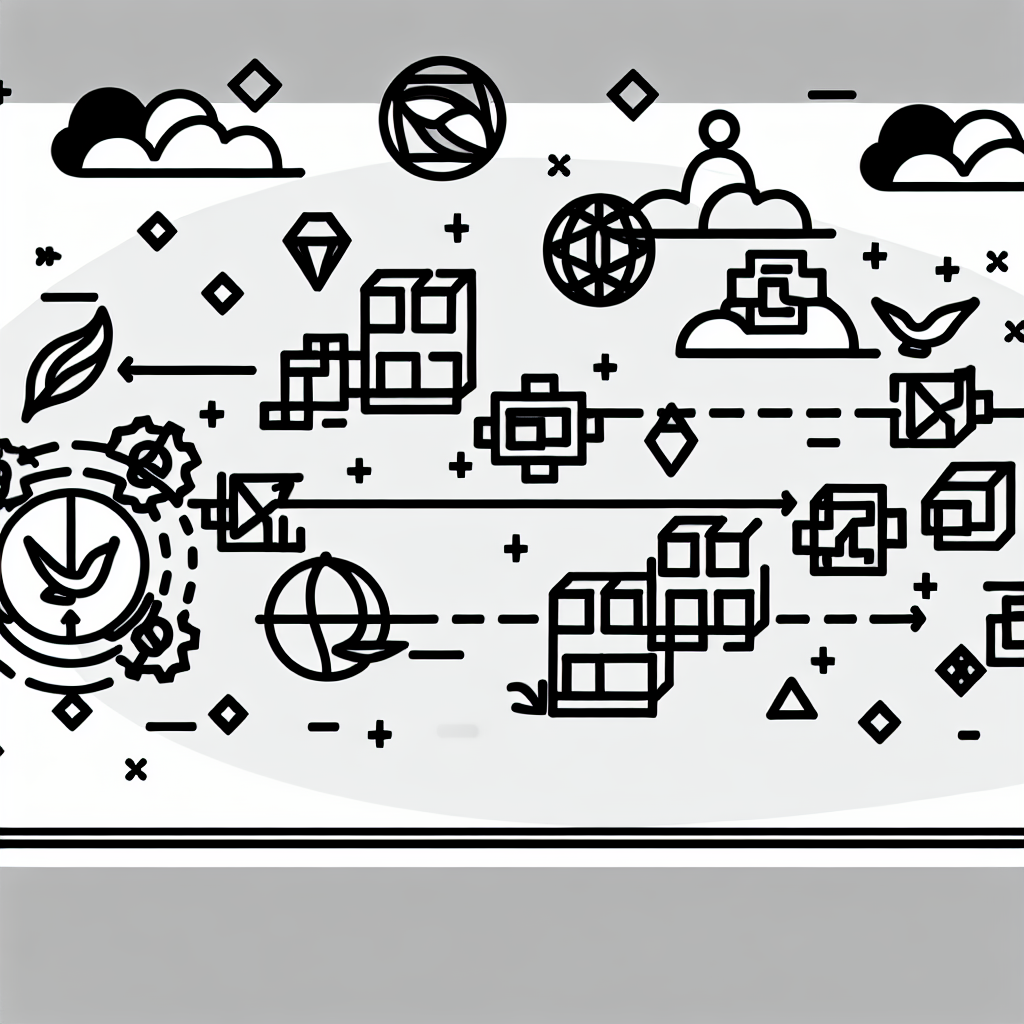
It is important to identify the data that is essential for ongoing operations and prioritize its migration. Organizations should consider using automated tools that facilitate data extraction, transformation, and loading (ETL) processes, as these can help streamline the data migration workflow. Furthermore, conducting thorough testing of the new system with migrated data is crucial to verify that all functionalities operate as expected before full deployment.
Integration with existing systems is another vital factor to consider. Organizations should ensure that new software can seamlessly interact with other applications, databases, and services within their technology ecosystem. This interoperability will help maintain business continuity and allow for a smoother transition overall.
Training and Change Management
Even with a well-planned migration, user acceptance remains a significant hurdle. Training programs are essential to equip employees with the necessary skills to effectively use the new system. Organizations should develop comprehensive training sessions that cater to different user groups, focusing on the specific functionalities that each group will utilize.
Moreover, change management strategies should be employed to address potential resistance. Communicating the benefits of the new system, along with providing ongoing support, can help alleviate concerns and encourage adoption. Regular feedback sessions can also create a channel for users to express their experiences, enabling organizations to make incremental improvements based on user input.
Creating a culture of adaptability is equally important. Organizations that foster an environment where employees are encouraged to embrace change are more likely to succeed in their migration efforts. This cultural shift can lead to increased innovation and improved organizational resilience in the face of future technological advancements.
Monitoring and Continuous Improvement
Post-migration monitoring is crucial to ensure that the new system functions as intended and meets the organization’s objectives. Establishing key performance indicators (KPIs) can help track the effectiveness of the migration and provide insights into areas that may require further improvement. Regular evaluations should be conducted to assess user satisfaction, system performance, and overall alignment with business goals.
Moreover, organizations should adopt a mindset of continuous improvement, where feedback is actively sought and integrated into system updates. This approach not only enhances user experience but also positions the organization to adapt to future changes more effectively.
In conclusion, migrating from legacy software to modern systems is a multifaceted process that demands careful planning and execution. By understanding the challenges, developing a comprehensive migration plan, ensuring effective data management, providing thorough training, and committing to ongoing monitoring, organizations can navigate the complexities of this transition while minimizing risks.