Understanding Product Support Lifecycles
A guide to navigating product support timelines.
Navigating the complexities of product support lifecycles is crucial for organizations aiming to stay ahead in today’s fast-paced technological landscape. Understanding when a product will reach its end-of-life (EOL) or when support will be phased out can significantly impact an organization’s operational efficiency and strategic planning. This guide aims to demystify product support lifecycles, providing organizations with the insights needed to plan upgrades and transitions effectively.
The intricacies of product support are often overlooked, yet they are fundamental to the longevity and effectiveness of technology solutions.
What Are Product Support Lifecycles?
At its core, a product support lifecycle refers to the stages a product goes through from its introduction to its eventual discontinuation. Commonly, this lifecycle is divided into several phases: introduction, growth, maturity, and decline. Each phase has distinct characteristics that influence the level of support provided.
During the introduction phase, products are often accompanied by extensive documentation and active support from the manufacturer. As the product enters the growth stage, the user base expands, often leading to enhanced support resources such as forums, FAQs, and knowledge bases. However, as products reach maturity, support may begin to dwindle, and manufacturers might focus on newer offerings. Finally, in the decline phase, products may be declared EOL, with limited or no support available.
Understanding these stages is essential for organizations to anticipate necessary upgrades and prepare for transitions before support is withdrawn.
As products progress through these phases, organizations need to be vigilant. Regular assessments of product lifecycles can help identify when an upgrade or migration is necessary. Companies that fail to keep track of these changes risk operating with outdated technology, which can lead to security vulnerabilities and decreased productivity.
The Importance of Planning Upgrades
Planning for upgrades is not merely a technical necessity; it is a strategic imperative. Organizations should consider the implications of delayed upgrades, which can lead to operational inefficiencies and increased costs. Research indicates that companies that proactively manage their product support lifecycles can mitigate risks associated with outdated systems and enhance overall performance.
Effective upgrade planning involves several considerations. First, businesses should conduct a comprehensive assessment of their current systems and evaluate the potential benefits of newer technologies. This includes analyzing compatibility with existing infrastructure and determining the financial implications of upgrading versus maintaining older systems.
Moreover, organizations should engage in regular dialogue with vendors to stay informed about upcoming changes in support policies. This helps ensure that they are not caught off guard when a product reaches EOL or transitions to a new support model.
Strategies for Managing Transitions
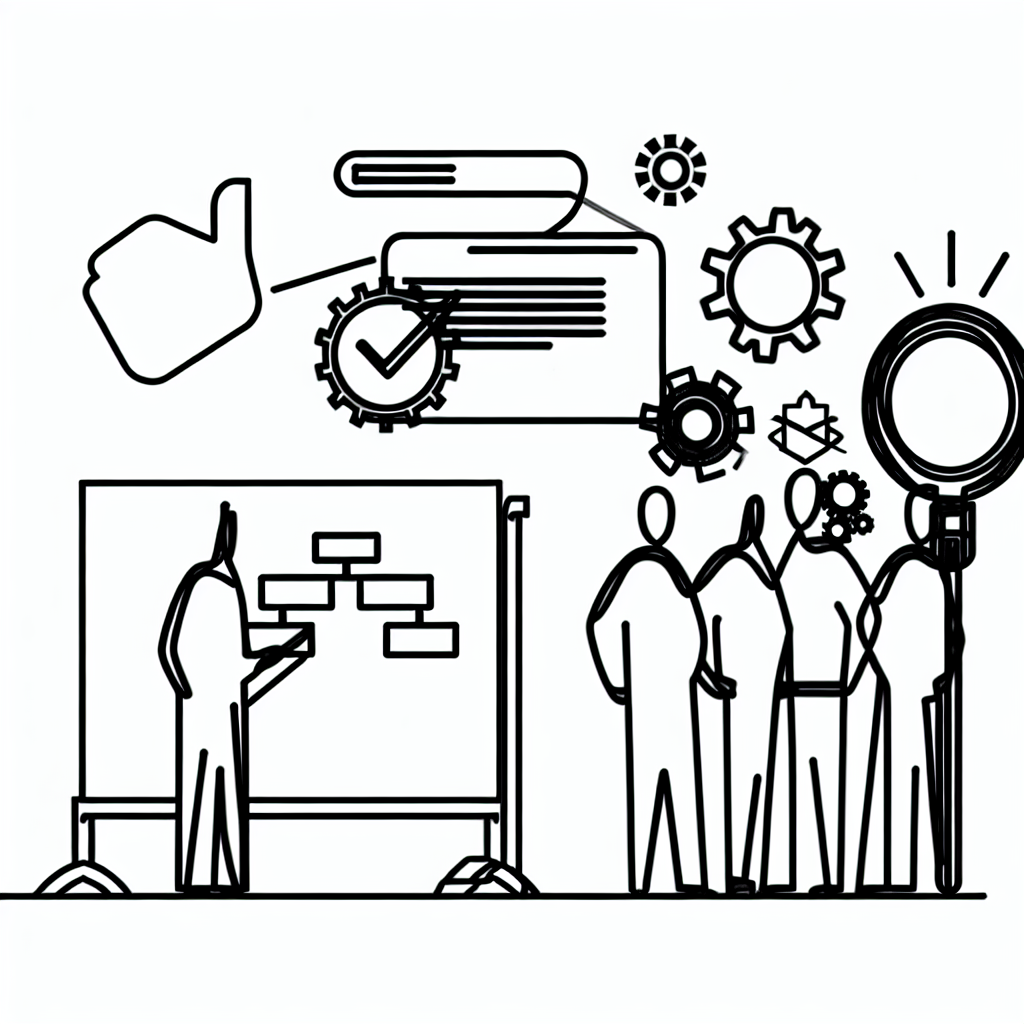
Transitioning from one product to another requires a well-thought-out strategy. Organizations should adopt a structured approach to ensure that the migration process is smooth and does not disrupt business operations.
One effective strategy is to develop a migration roadmap that outlines key milestones and timelines. This roadmap should include testing phases, resource allocation, and potential downtime. By anticipating challenges and planning accordingly, organizations can minimize the impact of transitions on their daily operations.
Additionally, training and support for employees during and after the transition is paramount. Ensuring that staff are equipped to handle new technologies can greatly enhance the success of the migration process. Evidence suggests that organizations that invest in training see higher adoption rates and greater overall satisfaction with new systems.
Proper planning and execution of transitions can significantly reduce the risks associated with outdated technology.
The Role of Vendor Support in Lifecycles
Vendor support plays a critical role throughout the product support lifecycle. Reliable vendors provide not only the technology but also the necessary support to guide organizations through upgrades and transitions.
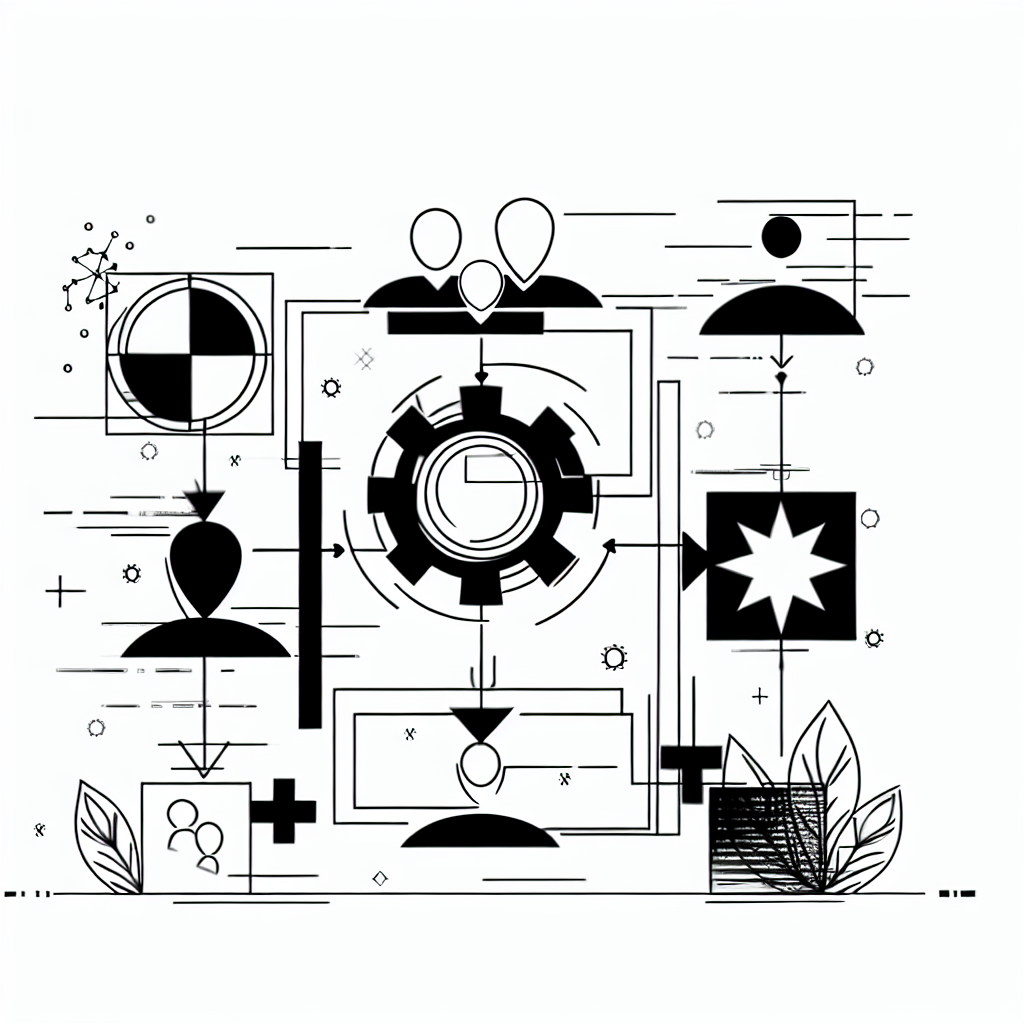
Organizations should evaluate vendor support policies thoroughly. This includes understanding the duration of support offered for each product and any associated costs. Engaging with vendors early in the lifecycle can lead to better support agreements and ensure that organizations have access to essential resources when needed.
Moreover, organizations should consider the vendor’s track record in supporting legacy systems. A vendor that has a history of providing timely updates and patches is often a safer choice for long-term planning. This can help organizations avoid potential pitfalls that arise from relying on vendors who may not prioritize older products.
Conclusion
Understanding product support lifecycles is essential for organizations looking to maintain competitiveness and operational efficiency. By planning upgrades strategically and managing transitions effectively, businesses can navigate the complexities of technology changes with greater ease. Continuous engagement with vendors and a proactive approach to product support can mitigate risks and enhance overall performance.
In the rapidly evolving tech landscape, organizations that prioritize understanding and managing their product support lifecycles will not only avoid potential pitfalls but will also be better positioned for future success.