Evaluating Risks of Obsolete Hardware
Assessing the dangers of continuing to use outdated hardware.
The reliance on hardware in any organization forms the backbone of operational functionality. However, as technology evolves, certain hardware components become obsolete, leading to increased risks for businesses that continue to rely on them. Evaluating these risks is essential for maintaining operational integrity and ensuring that systems run smoothly without unnecessary disruptions. This article delves into the dangers of using outdated hardware and presents effective strategies for timely replacement.
Using obsolete hardware can lead to significant vulnerabilities. These outdated systems may no longer receive support, making them susceptible to security breaches and operational failures. Understanding the implications of these risks is crucial for IT professionals and decision-makers who are tasked with managing technology infrastructure.
The Risks of Obsolete Hardware
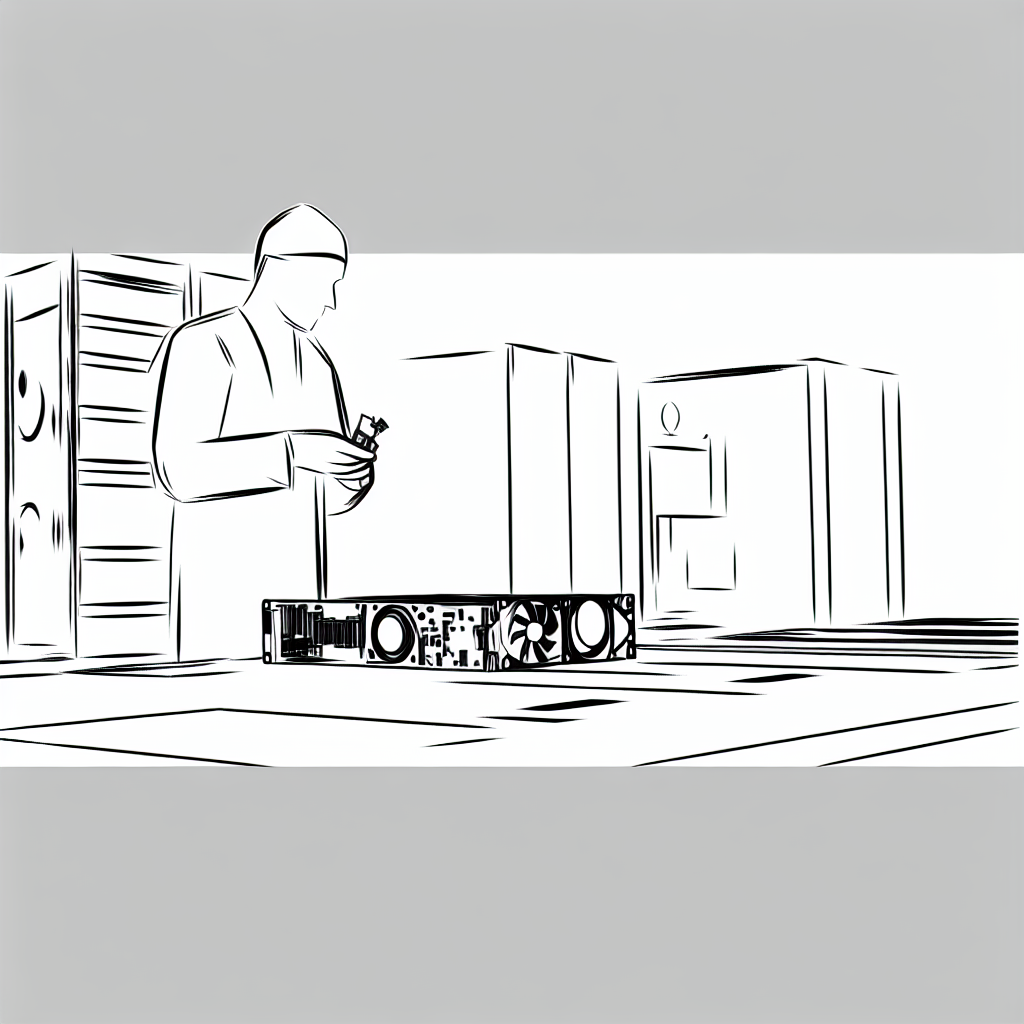
Obsolete hardware poses various dangers, primarily related to security vulnerabilities and decreased performance. As manufacturers phase out support for older models, organizations may find themselves operating without critical security updates. This can leave systems open to attacks, potentially leading to data breaches or system failures. Furthermore, performance issues often arise with outdated hardware, as it struggles to keep pace with modern software requirements.
“Using obsolete hardware can significantly increase the likelihood of security breaches and system failures.”
Additionally, the financial implications of continuing to use outdated hardware should not be underestimated. The cost of maintenance for obsolete systems can escalate as parts become harder to source, leading to longer downtime during repairs. Moreover, these systems may not integrate well with newer technologies, creating operational bottlenecks that can affect productivity. In the long run, the investment in maintaining obsolete hardware may outweigh the benefits, making timely replacement a more prudent strategy.
As organizations navigate the complexities of technology management, it becomes increasingly clear that risk assessment must extend to hardware. Regular audits should be conducted to identify outdated components and evaluate their impact on overall system performance and security. By doing so, organizations can make informed decisions about when to replace or upgrade their hardware.
Strategies for Timely Replacement
Implementing a proactive replacement strategy is essential for minimizing the risks associated with obsolete hardware. One effective approach is to develop a hardware lifecycle management plan that outlines the expected lifespan of each component. This plan should include timelines for regular evaluations, ensuring that hardware is replaced before it reaches a critical point of obsolescence.
Collaboration between IT departments and management is key to successful implementation. By fostering open communication, organizations can ensure that all stakeholders understand the importance of timely hardware upgrades. This collective understanding can lead to better budgeting and resource allocation, facilitating smoother transitions when replacing outdated systems.
Another effective strategy involves staying informed about hardware advancements and industry trends. Research indicates that organizations that invest in continuous education and training for their IT staff are better equipped to make informed decisions regarding hardware upgrades. This knowledge can help teams identify emerging technologies that align with their operational goals, allowing for more strategic planning.
Assessing Impact and Planning Ahead
To fully appreciate the risks associated with obsolete hardware, organizations should assess the potential impacts of continued use. This involves considering the likelihood of hardware failures and their consequences on business operations. Establishing criteria for evaluating hardware performance can assist in this process. Factors such as reliability, compatibility with current software, and support availability should be factored into assessments.
Planning ahead also includes creating a budget for hardware upgrades. Organizations often face budgetary constraints that can delay necessary replacements. However, by anticipating future needs and allocating resources accordingly, businesses can avoid last-minute scrambles that lead to hasty decisions. Evidence suggests that a well-prepared budget for hardware upgrades can significantly reduce the risk of operational disruptions caused by outdated systems.
Furthermore, developing a contingency plan can provide an additional layer of security. This plan should outline steps to take in the event of hardware failure, including backup systems and data recovery protocols. Being prepared for unexpected failures can mitigate the impact on operations and protect sensitive information.