Creating a Comprehensive Risk Management Framework
How to identify and mitigate risks in technology upgrades.
Navigating the complexities of technology upgrades is a critical aspect of modern organizational strategy. As businesses integrate new systems, they face various risks that can disrupt operations, compromise security, and undermine project success. Establishing a comprehensive risk management framework enables organizations to identify potential pitfalls and implement effective mitigation strategies. This article explores the essential components of such a framework, guiding decision-makers through the process of managing risks associated with technology upgrades.
Understanding the landscape of potential risks is paramount to successful technology transitions.
Identifying Risks in Technology Upgrades
The first step in creating a robust risk management framework involves a thorough risk identification process. Organizations must assess the specific challenges associated with their technology upgrades, which can range from technical issues to human factors. Common risks often include compatibility problems with existing systems, data loss during migration, and user resistance to change.
“By understanding potential risks upfront, organizations can proactively develop strategies to mitigate them, rather than reactively addressing issues as they arise.”
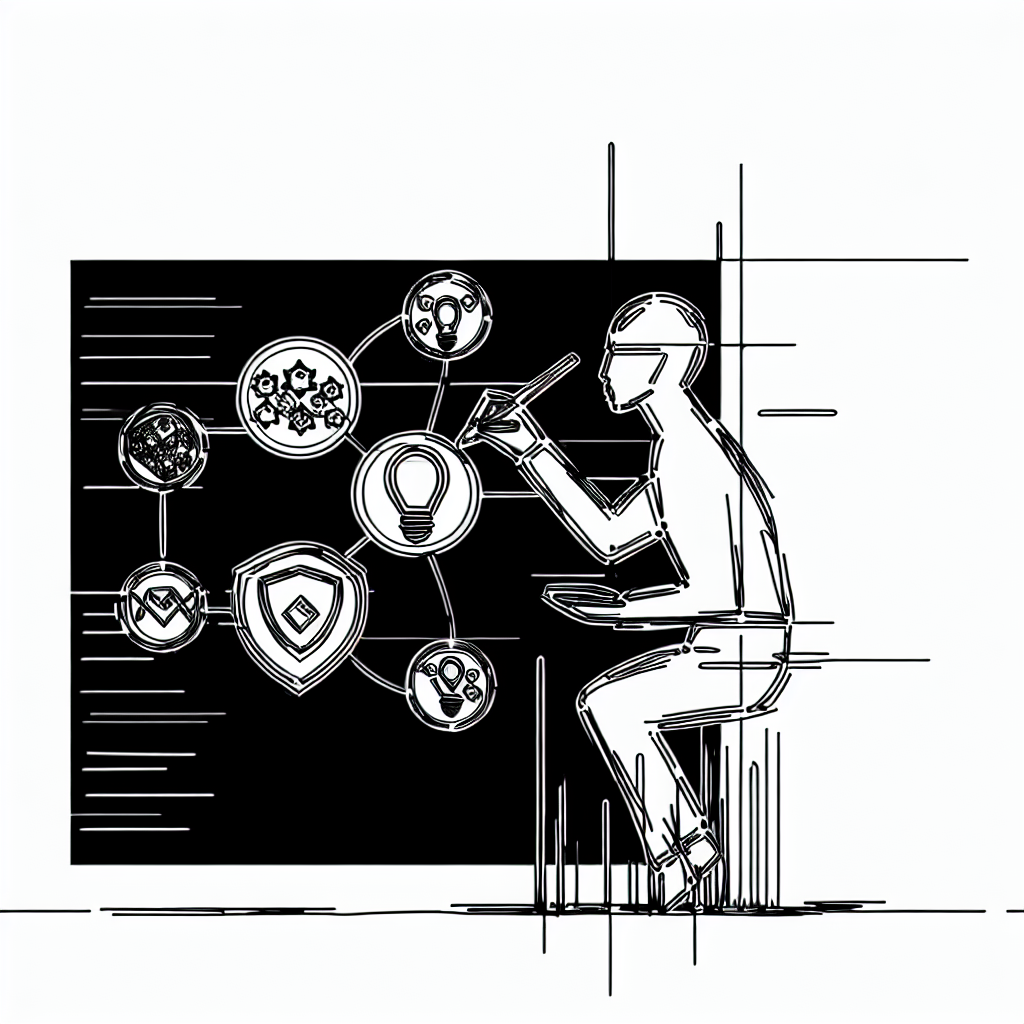
In addition to identifying technical risks, it’s crucial to consider organizational dynamics. Resistance from staff or lack of proper training can severely impact the success of an upgrade. Engaging stakeholders early in the process encourages a more holistic view of potential risks and fosters a culture of collaboration and support.
Assessing Risk Impact and Likelihood
Once risks have been identified, the next step is to assess their impact and likelihood. This assessment allows organizations to prioritize which risks require immediate attention and which can be monitored over time. Utilizing tools such as a risk matrix can facilitate this process, helping teams visualize risks based on their potential impact and the probability of occurrence.
Organizations should categorize risks into high, medium, and low tiers, focusing resources on addressing the most pressing threats first. For instance, a risk that could lead to significant data loss during an upgrade would be categorized as high impact, whereas minor compatibility issues might be considered low. This prioritization not only streamlines the risk management process but also ensures that teams allocate their efforts effectively.
Developing Mitigation Strategies
Having identified and assessed risks, organizations must develop mitigation strategies tailored to their specific circumstances. This can include a variety of approaches, such as implementing robust backup solutions, conducting thorough testing before full-scale deployment, and establishing clear communication channels for stakeholders.
Creating a detailed action plan that outlines steps for each identified risk is critical. This plan should include timelines, responsible parties, and contingency measures. For example, if a compatibility risk has been identified, the plan might call for a phased upgrade approach, allowing for testing and adjustments before full implementation.
Moreover, it is essential to remain flexible and adaptable in the face of unforeseen challenges. Continual monitoring and evaluation of the risk landscape can provide invaluable insights, allowing organizations to pivot their strategies as needed.
Engaging Stakeholders and Communication
Effective communication is a cornerstone of successful risk management. Engaging stakeholders throughout the upgrade process ensures that all parties are aware of potential risks and the strategies in place to address them. Regular updates and transparent discussions foster trust and encourage collaboration, which can be crucial during transitions involving significant changes.
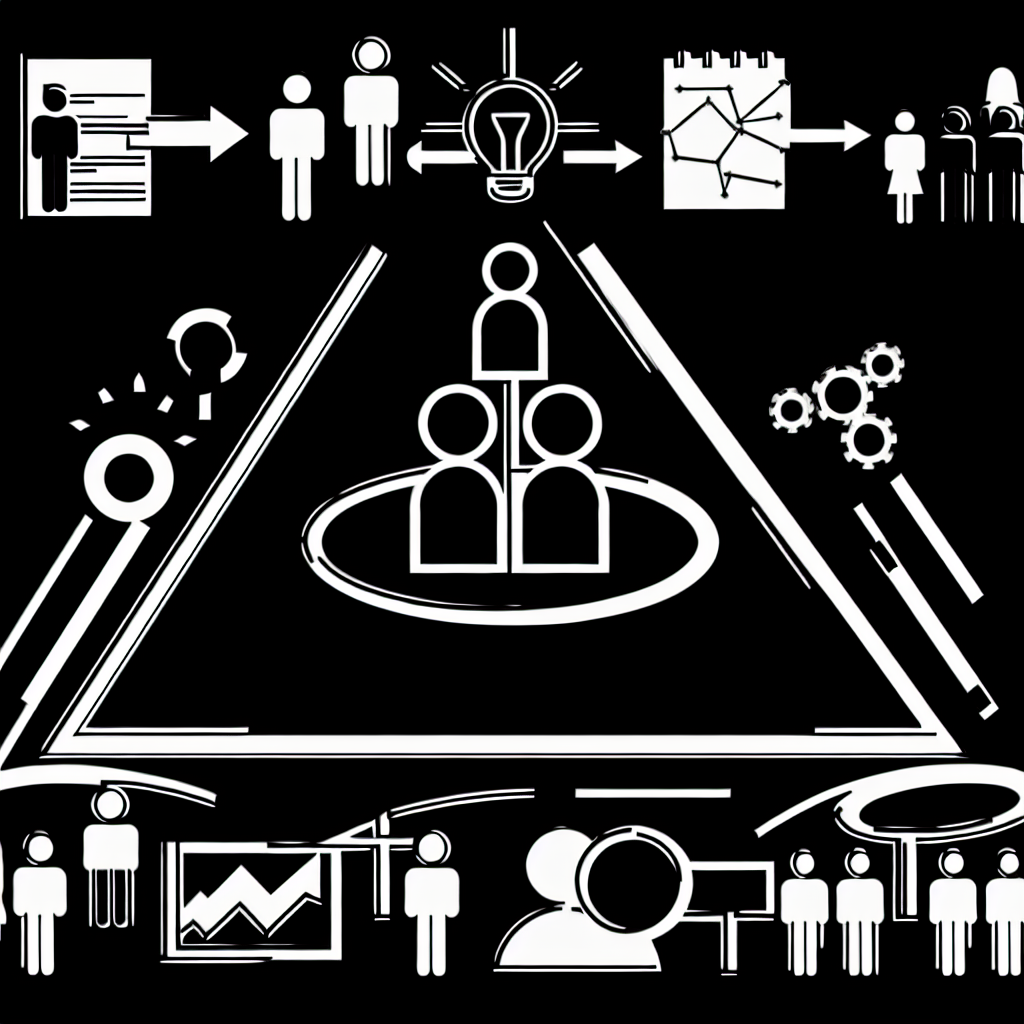
Training sessions and workshops can also be effective in preparing staff for upcoming changes. By addressing concerns and providing resources, organizations can minimize resistance and enhance user adoption of new technologies. This proactive approach not only mitigates risks but also empowers employees, making them feel valued and involved in the transition process.
Monitoring and Reviewing the Risk Management Framework
The final component of a comprehensive risk management framework involves ongoing monitoring and reviewing. As technologies evolve and organizational priorities change, it is vital to revisit the risk management strategies regularly. Establishing key performance indicators (KPIs) to measure the effectiveness of mitigation efforts can provide insights into what is working and what may require adjustment.
By adopting a culture of continuous improvement, organizations can ensure that their risk management framework remains relevant and effective over time. This iterative process not only strengthens the approach to technology upgrades but also enhances overall organizational resilience.