Best Practices for Managing Software Lifecycle
Guidelines for effective software lifecycle management.
Effectively managing the software lifecycle is critical for organizations striving to remain competitive and compliant in today’s fast-paced technological landscape. The software lifecycle encompasses all stages of a software product’s development, from initial conception through deployment, maintenance, and eventual retirement. By adhering to best practices in lifecycle management, businesses can ensure that their software remains up-to-date, secure, and aligned with evolving industry standards.
Emphasizing the importance of a well-managed software lifecycle can greatly reduce risks associated with outdated technology.
Understanding the Software Lifecycle
The software lifecycle is a systematic approach that includes several phases: planning, development, testing, deployment, maintenance, and retirement. Each phase is essential in ensuring that the software meets user needs and operates efficiently. During the planning phase, it is crucial to gather requirements and establish clear objectives. This sets a solid foundation for the subsequent phases, where actual development takes place.
“A well-defined software lifecycle not only enhances productivity but also improves the quality of the final product.”
In the development phase, integrating agile methodologies can facilitate better collaboration among teams, leading to quicker iterations and more responsive adjustments based on stakeholder feedback. Testing is equally important, as it uncovers potential issues before the software is deployed to users. Regular maintenance is necessary to address any bugs and to keep the software updated in alignment with new technologies or regulatory requirements. Finally, the retirement phase should be planned meticulously to ensure a smooth transition to newer systems and minimize disruptions.

Best Practices for Software Lifecycle Management
Implementing best practices for managing the software lifecycle can significantly impact an organization’s efficiency and effectiveness. One fundamental practice is the establishment of a lifecycle management policy that outlines responsibilities, procedures, and compliance requirements. This policy should be communicated clearly across all teams involved in the software’s lifecycle.
Regular training and updates for team members are also critical. As technology evolves, so do the skills required to manage software effectively. By investing in ongoing education, organizations can ensure their staff remains knowledgeable about the latest tools and methodologies.
Another best practice is to leverage automated tools for monitoring and managing software updates. Automation can streamline many aspects of the lifecycle, from deployment to compliance checks. This not only reduces the risk of human error but also allows teams to focus on more strategic tasks.
Compliance and Risk Management
Compliance with industry standards and regulations is a vital aspect of software lifecycle management. Organizations must stay informed about legal requirements, as non-compliance can result in significant penalties and reputational damage. Adopting a proactive stance toward compliance involves regular audits and assessments to ensure that software aligns with current regulations.

Additionally, risk management should be integrated into the software lifecycle. This includes identifying potential risks at each phase and developing strategies to mitigate them. For example, during the testing phase, organizations can employ techniques such as penetration testing to identify vulnerabilities before deployment.
Compliance is not just about avoiding penalties; it’s about building trust with users and stakeholders.
Regularly updating software is a crucial part of this compliance strategy. Outdated software can pose security risks and vulnerabilities that could be exploited. Therefore, organizations should have a structured update schedule, ensuring that all software components remain current and secure.
Continuous Improvement and Feedback Loops
A robust software lifecycle management process includes continuous improvement mechanisms. Gathering feedback from users and stakeholders throughout the lifecycle can provide valuable insights into how the software is functioning and where improvements can be made. Establishing feedback loops allows organizations to adapt quickly and make necessary modifications.
Engaging users during the testing phase can lead to better outcomes, as their input can help refine the software to meet their needs more effectively. Post-deployment, it is essential to continue collecting feedback to inform future updates and enhancements. This iterative process fosters a culture of continuous improvement, positioning organizations to respond swiftly to changing technological landscapes.
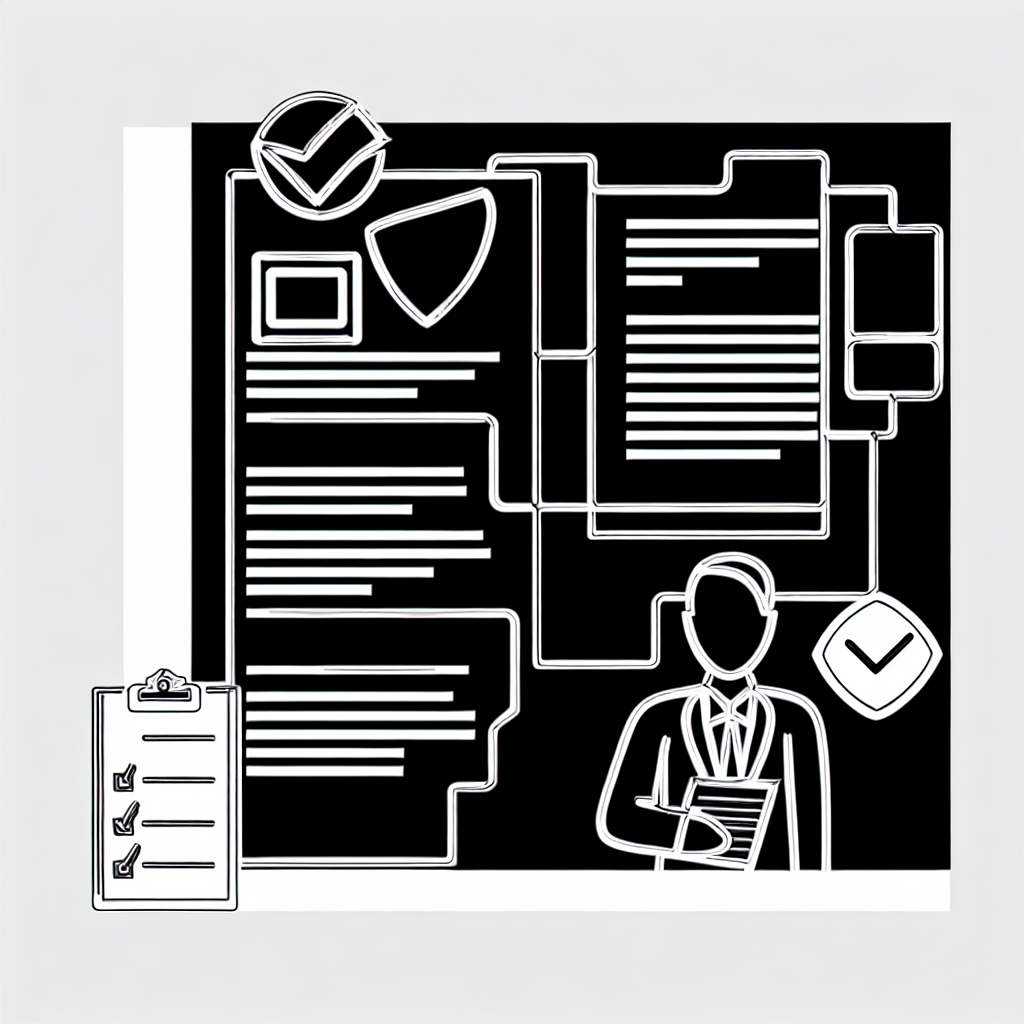
Moreover, conducting regular retrospectives at various stages can help teams reflect on what worked well and what didn’t, allowing for adjustments in processes that enhance overall efficiency.
Conclusion
Managing the software lifecycle effectively is a multifaceted challenge that requires a strategic approach to planning, execution, and continuous improvement. By establishing clear policies, leveraging automation, ensuring compliance, and fostering a culture of feedback, organizations can navigate this complexity while maximizing the value derived from their software assets.
In conclusion, embracing these best practices is not merely a matter of operational efficiency; it is a strategic imperative that can significantly influence an organization’s long-term success in the digital age.