Creating a Technology Upgrade Roadmap
Steps to develop a strategic upgrade plan.
In today’s fast-paced technological landscape, organizations face the ongoing challenge of keeping their technology infrastructure up-to-date. A well-constructed technology upgrade roadmap is essential for aligning technology transitions with organizational goals. This roadmap not only helps in planning strategic upgrades but also ensures that resources are allocated efficiently, thus minimizing disruption. By following a systematic approach, businesses can navigate the complexities of technology upgrades and make informed decisions that support their long-term vision.
Creating a technology upgrade roadmap requires careful planning and consideration of various factors. It serves as a guiding document that outlines the necessary steps, timelines, and resources involved in implementing technology changes.
Understanding Your Current Technology Landscape
Before embarking on an upgrade journey, it is crucial to assess your current technology environment. This involves conducting a comprehensive inventory of existing hardware and software, evaluating their performance, and identifying any potential vulnerabilities. Understanding the strengths and weaknesses of the current setup lays a solid foundation for planning future upgrades.
Conducting a technology audit can help organizations pinpoint outdated systems, assess compliance with current standards, and gauge user satisfaction. Engaging stakeholders from various departments during this process can provide valuable insights into how technology impacts their workflows.
“An effective upgrade roadmap begins with a clear understanding of the current technological ecosystem.”

Once the assessment is complete, organizations can identify critical areas that require immediate attention. This might include systems nearing the end of their support cycle or software that no longer meets the evolving needs of the business.
Defining Strategic Objectives
With a thorough understanding of the current technology landscape, the next step is to define strategic objectives for the upgrade. These objectives should align with the overall goals of the organization and address identified weaknesses in the current infrastructure. For instance, if the organization aims to enhance productivity, it may prioritize upgrading collaborative tools or communication platforms.
Establishing clear objectives provides direction for the upgrade process. It is beneficial to involve key stakeholders in this phase to ensure that the roadmap reflects the organization’s vision. By doing so, the roadmap can serve as a strategic tool that aligns technology upgrades with broader business goals.
Developing the Upgrade Roadmap
The creation of the upgrade roadmap itself involves several steps. Organizations should map out a timeline that details when each upgrade will take place, ensuring that it aligns with operational schedules to minimize disruption. Additionally, the roadmap should outline the necessary resources, including budget considerations and personnel involved in each phase of the upgrade.
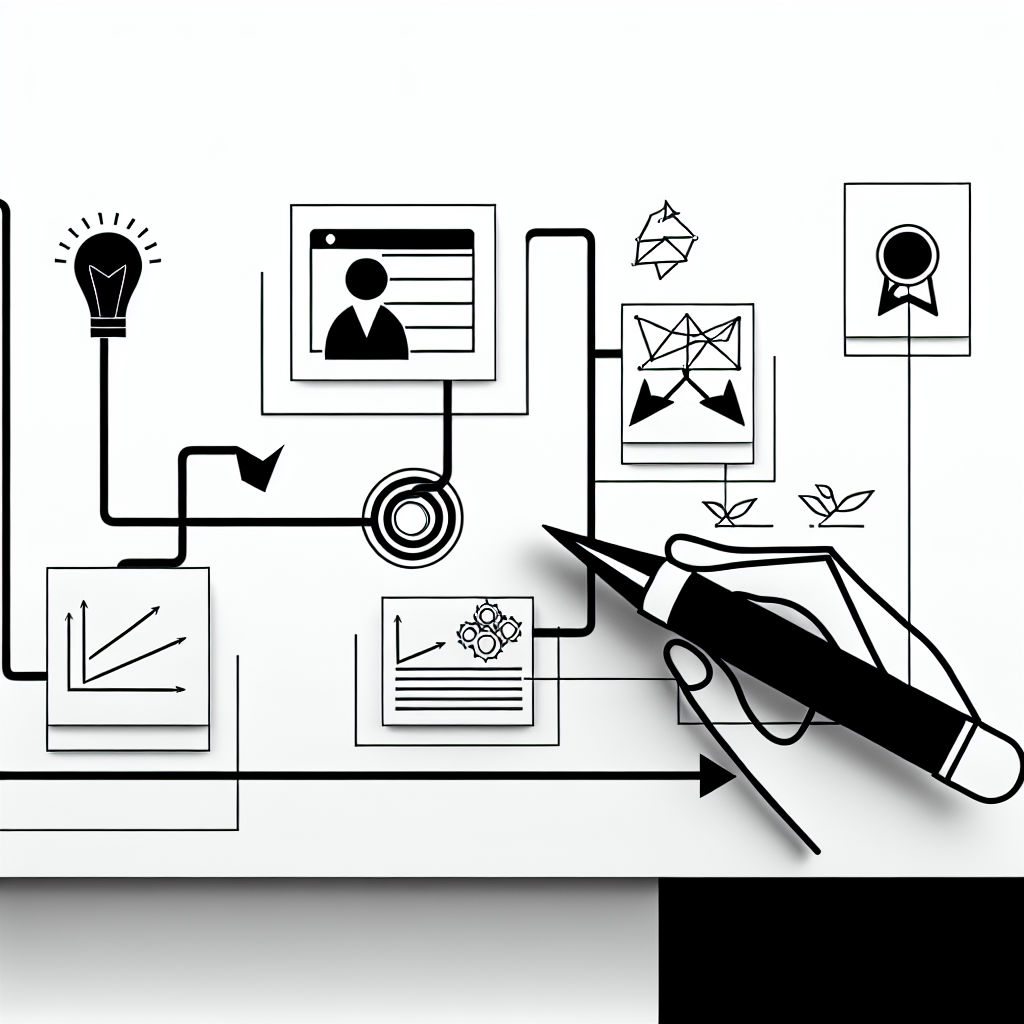
When developing the roadmap, organizations should also consider potential risks associated with each upgrade. This includes evaluating compatibility with existing systems and anticipating any training needs for staff. By proactively addressing these concerns, organizations can facilitate smoother transitions during the upgrade process.
“A well-structured roadmap not only outlines the steps necessary for upgrades but also anticipates potential challenges and mitigates risks.”
As part of the roadmap, organizations should establish key performance indicators (KPIs) to measure the success of the upgrades. These KPIs will help in assessing whether the upgrades are meeting the defined objectives and provide critical insights for future upgrades.
Implementing Upgrades and Monitoring Progress
Once the roadmap is in place, the organization can begin implementing the planned upgrades. Effective communication with all stakeholders is vital during this phase to ensure that everyone is aware of the changes being made and the anticipated outcomes. Regular updates can help in managing expectations and fostering a culture of adaptability.
Monitoring progress against the established KPIs is essential to assess the effectiveness of the upgrade. Organizations should be prepared to make adjustments to the roadmap as new information comes to light, or as business needs evolve. Continuous feedback loops can help identify areas for improvement and inform future technology decisions.

Additionally, engaging with users throughout the upgrade process can provide insights into how the changes are impacting their workflows. This feedback can be invaluable in optimizing technology usage and ensuring a smooth transition for all involved.
Evaluating the Outcomes
After the upgrades have been implemented, it is important to conduct a retrospective evaluation. This evaluation should assess whether the upgrades have achieved the intended objectives and contributed positively to the organization. Comparing performance metrics before and after the upgrade can provide insights into the effectiveness of the transition.
Organizations should document lessons learned during this process to inform future upgrades. By maintaining a record of successes and challenges, businesses can refine their upgrade strategies over time, ensuring continuous improvement in technology management.
A technology upgrade roadmap is not just a static document; it should evolve alongside the organization. Regularly revisiting and updating the roadmap can help ensure that it remains relevant and aligned with the organization’s goals.