Creating a Comprehensive Technology Upgrade Plan
Steps to effectively manage technology transitions.
In today’s rapidly evolving technological landscape, organizations must remain proactive in managing their technology assets to avoid obsolescence and inefficiencies. A well-conceived technology upgrade plan serves as a roadmap, guiding organizations through transitions that not only address immediate needs but also anticipate future demands. By carefully assessing existing systems, understanding emerging technologies, and strategically planning upgrades, businesses can ensure they remain competitive and resilient.
The importance of a solid upgrade plan cannot be overstated. It lays the groundwork for informed decision-making and helps mitigate risks associated with outdated technology. Such planning involves not just a reaction to current needs but a forward-thinking approach that aligns with the organization’s long-term goals.
Understanding Your Current Technology Landscape
The first step in crafting a technology upgrade plan is to conduct a thorough assessment of the current technology landscape. This involves identifying all existing systems, software, and hardware in use across the organization. Understanding the age, performance, and compatibility of these assets is crucial. Organizations often overlook the implications of legacy systems; while they may still function, they might not integrate well with new technologies, leading to potential bottlenecks.
Additionally, it is essential to evaluate how these technologies support the organization’s strategic objectives. Are they enabling productivity, scalability, and innovation? If the existing tools fall short, it’s a clear signal that an upgrade is needed. Engaging with various stakeholders—such as IT teams, department heads, and end-users—can provide valuable insights into what works, what doesn’t, and what future capabilities are desired.
“A comprehensive assessment not only highlights current weaknesses but also uncovers opportunities for improvement.”

Following the assessment, organizations should prioritize their needs based on urgency and impact. This prioritization helps in allocating resources effectively and ensures that the most critical upgrades are addressed first.
Setting Clear Objectives and Budgeting
Once the current technology landscape has been understood, the next step involves setting clear objectives for the upgrade plan. These objectives should align with the overall business strategy and address specific pain points identified during the assessment phase. For example, if slow processing speeds are hindering productivity, the objective may focus on upgrading hardware to enhance performance.
Budgeting for technology upgrades requires careful consideration. Organizations should project the costs associated with not only purchasing new technology but also implementation, training, and potential downtime. It’s wise to include a contingency fund to accommodate unexpected expenses. Research suggests that organizations often underestimate the total cost of ownership for technology, leading to budget overruns. Therefore, a realistic and comprehensive budget is essential for successful implementation.
Moreover, evaluating various financing options, such as leasing versus buying, can provide additional flexibility in managing cash flow. Understanding the long-term financial implications of each choice becomes critical in making an informed decision.
Planning for Integration and Training
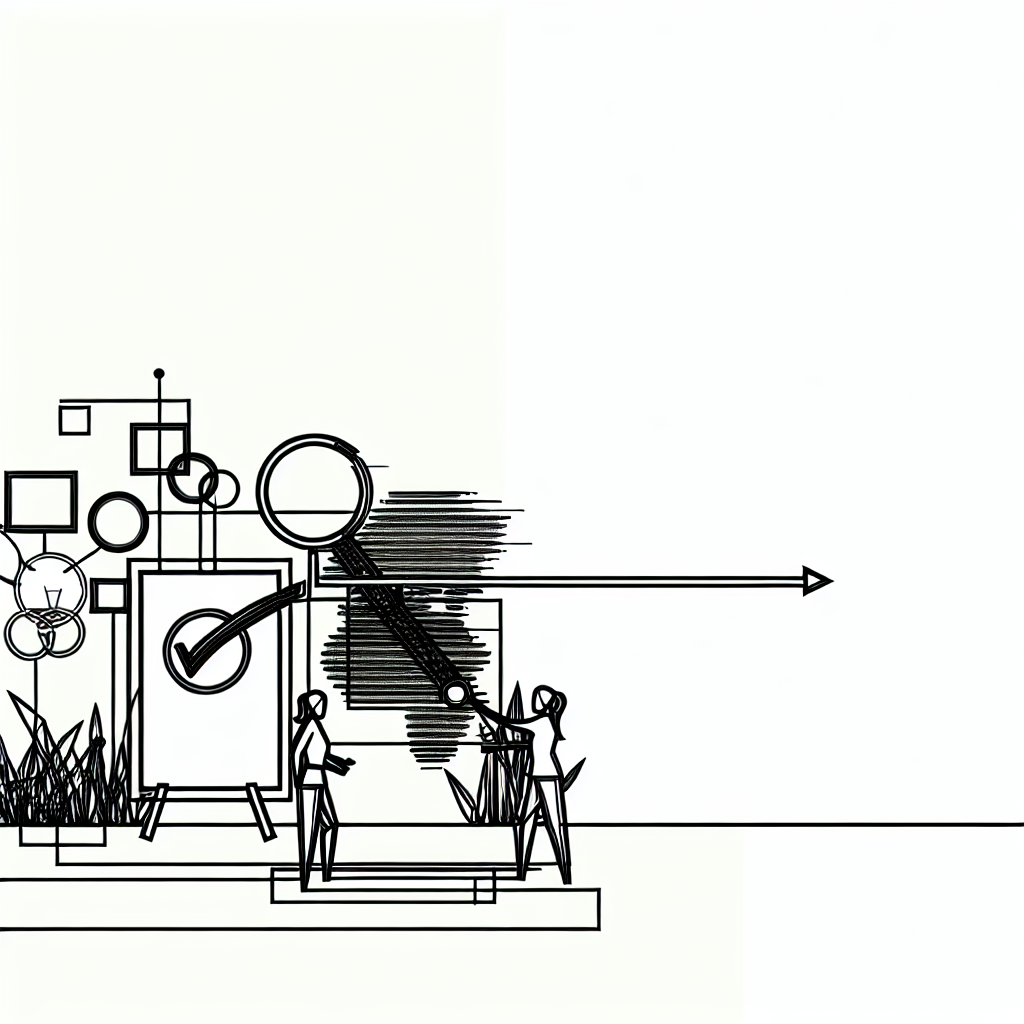
An effective technology upgrade plan must also address how new technologies will integrate with existing systems. Compatibility issues can often arise during transitions, leading to operational disruptions. Therefore, organizations should look into solutions that facilitate seamless integration, such as middleware or APIs, which can help bridge gaps between disparate systems.
Training is another vital component of the upgrade process. Even the most advanced technology can become a liability if employees do not understand how to use it effectively. Organizations should invest in comprehensive training programs that not only cover the functionality of new systems but also emphasize the benefits they bring. Employees who feel confident in using new tools are more likely to embrace change and contribute positively to the organization’s goals.
“A robust training program can significantly enhance user adoption and minimize resistance to change.”
Furthermore, establishing a feedback mechanism post-implementation allows for ongoing assessment of the technology’s effectiveness and user satisfaction. This iterative approach enables organizations to make adjustments as necessary, ensuring that the technology continually meets evolving needs.
Anticipating Future Demands
A forward-looking technology upgrade plan must consider future demands as well as current needs. This involves staying informed about emerging technologies and trends that could impact the organization. For instance, advancements in artificial intelligence, cloud computing, or data analytics could present opportunities for innovation that enhance productivity or customer engagement.

By incorporating flexibility into the upgrade plan, organizations can adapt more easily to changes in technology and market conditions. This might mean choosing modular solutions that can be scaled or upgraded incrementally rather than committing to large, monolithic systems that may become outdated quickly.
Additionally, organizations should engage in regular reviews of their technology landscape, setting a schedule to reassess their needs and adjust their plans accordingly. This proactive approach can safeguard against becoming stagnant and ensure that the organization remains agile and competitive.
Conclusion
Creating a comprehensive technology upgrade plan is a multifaceted endeavor that requires careful consideration and strategic foresight. By understanding the current technology landscape, setting clear objectives, planning for integration and training, and anticipating future demands, organizations can navigate the complexities of technology transitions effectively.
Ultimately, a well-managed upgrade process not only mitigates risks associated with outdated technology but also positions the organization for future success. As the technological landscape continues to evolve, organizations that commit to thoughtful planning and flexible strategies will be better equipped to thrive in an increasingly competitive environment.